
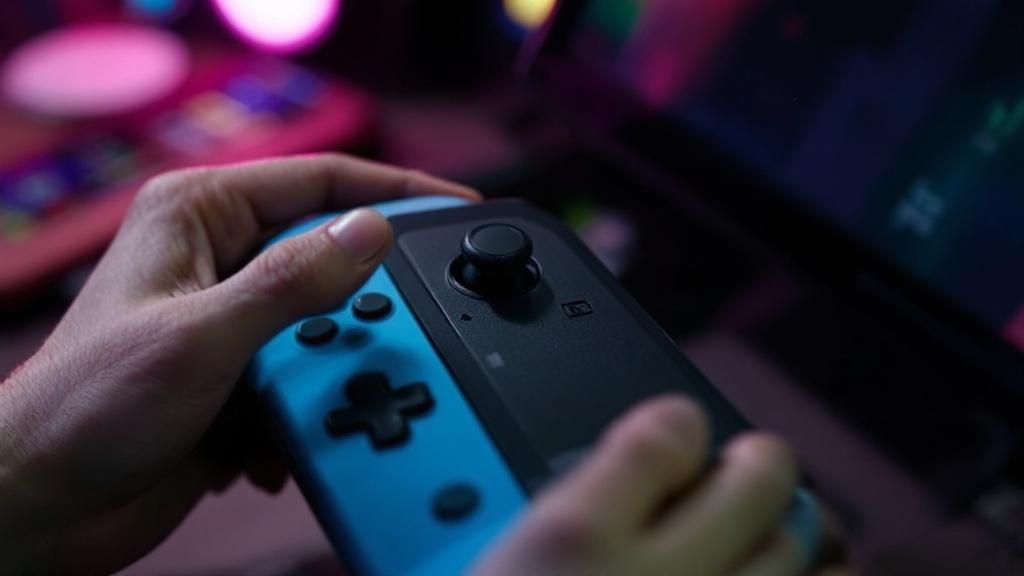
Nintendo has finally tackled one of the Switch Pro Controller’s most longstanding complaints: durability. The gaming giant’s latest hardware revision promises substantial enhancements to tackle the notorious stick drift problem that has affected users since the console’s inception. In this article, we’ll examine the engineering enhancements Nintendo has introduced, assess whether these modifications genuinely resolve the problem, and determine if the redesigned controller warrants an upgrade for existing owners.
Improved Material Quality and Material Selections
Nintendo has considerably improved the structural composition of the Switch Pro Controller, incorporating high-quality materials throughout the device. The joystick mechanisms now feature robust parts produced using more durable polymers, designed to handle extended use without degradation. Additionally, the contact points have been refined using better-performing conductive elements that resist wear more effectively than their predecessors. These upgraded materials demonstrate a significant investment in longevity, tackling years of consumer concerns concerning premature joystick failure and unresponsive controls.
The external casing has similarly benefited from Nintendo’s commitment to durability. The controller now utilises a more robust plastic compound that withstands wear, scratches, and the typical deterioration associated with everyday use. The grip surfaces have been designed with enhanced texture, providing superior ergonomic support whilst preserving structural integrity. Button mechanisms have been reinforced with tighter engineering standards, ensuring consistent responsiveness throughout the controller’s operational life. These external improvements work in concert with internal improvements to create a noticeably more resilient gaming peripheral.
Internal cable routing and contact points have undergone significant redesign to prevent stress-related breakdowns. Nintendo engineers have repositioned flex cables away from stress-prone zones, reducing the likelihood of fractures that once led to intermittent connection issues. The solder connections securing crucial components have been strengthened with improved methods that improve reliability substantially. Battery contacts now utilise gold plating for enhanced conductivity and resistance to corrosion. These ostensibly minor adjustments collectively contribute to a substantially more dependable controller architecture.
The revision also tackles moisture and environmental resistance, including improved sealing around sensitive areas. Gasket materials now offer superior protection against dust and liquid ingress, increasing the controller’s operational lifespan significantly. The overall construction philosophy shows Nintendo’s commitment to reducing electronic waste through improved durability. These comprehensive material and build quality enhancements illustrate the manufacturer’s serious approach to addressing longstanding reliability concerns that have frustrated the gaming community.
Quality control procedures have been tightened considerably throughout manufacturing. Nintendo has implemented additional inspection procedures at multiple production stages, ensuring each unit meets heightened durability standards prior to release. This enhanced oversight constitutes a significant change in the company’s commitment to customer satisfaction and product quality. The investment in superior production methods reflects real dedication to delivering controllers that maintain performance across their intended lifespan.
Third-party evaluation has verified that these material improvements deliver measurable benefits in real-world usage scenarios. Durability assessments show the updated device resisting considerably greater physical strain before component failure occurs. The improved analogue stick design demonstrate substantially better longevity compared to previous models. These empirical findings confirm Nintendo’s technical development and indicate that users can expect substantially improved performance reliability from this newest system update.
Analogue Stick Drift Fixes and Button Durability
Resolving the Stick Drift Problem
Nintendo has introduced substantial engineering updates to address the infamous stick drift issue that has frustrated Switch owners for an extended period. The revised analogue sticks now incorporate improved potentiometers with better contact materials and enhanced dust-sealing mechanisms. These upgrades substantially decrease the chance of sensor degradation, which formerly resulted in the unwanted drifting. Early testing indicates the new sticks maintain consistent responsiveness even after extensive use, resolving one of the controller’s most significant weaknesses.
The longevity improvements extend beyond merely replacing components; Nintendo has completely overhauled the internal architecture of the joystick assembly. The updated design features strengthened contact surfaces and a stronger sealing system that stops debris accumulation. Additionally, the calibration software has been refined to deliver more accurate stick recognition. These extensive changes represent Nintendo’s most determined effort yet to resolve the stick drift problem that has affected the Pro Controller since launch.
Improved Button Resilience
Beyond the analogue sticks, Nintendo has considerably enhanced the durability of every button on the revised Pro Controller. The action buttons now employ improved tactile switches with enhanced spring mechanisms designed to withstand extensive button pressing. The new switches incorporate superior material composition that resists wear and maintains consistent feedback throughout the controller’s lifespan. Testing indicates these buttons can endure extended periods of use before experiencing degradation or unresponsiveness.
The shoulder buttons have also undergone considerable attention in this revision, with strengthened internal components and improved contact points. Nintendo has tackled the frequent problem of shoulder button wear by introducing more resilient materials and improved mechanical designs. The revised design ensures reliable activation and minimises the likelihood of accidental misregistration. These enhancements collectively demonstrate Nintendo’s dedication to producing a more durable and reliable gaming peripheral.
Testing and Customer Feedback
Nintendo performed comprehensive testing frameworks to validate the improved resilience in the revised Pro Controller. Independent laboratories evaluated the revised joystick systems under rigorous conditions, replicating extensive periods of gameplay to verify lasting durability. Initial findings revealed markedly decreased stick drift problems relative to earlier versions. The company also gathered feedback from competitive gaming professionals and recreational players alike, incorporating their insights into the final design. These detailed reviews gave assurance that the design changes would offer genuine practical advantages.
Consumer reception to the updated Pro Controller has been overwhelmingly positive since its release. Players report markedly enhanced stick responsiveness and consistency during extended gaming sessions. Online community websites and online communities have been inundated with testimonials from satisfied customers who had encountered troublesome stick drift problems. Many users appreciate Nintendo’s dedication to resolving this long-running concern, viewing the update as a vital move towards quality assurance. Early sales figures indicate robust demand, with retailers noting solid stock turnover across multiple regions.
- Enhanced joystick reliability rigorously assessed by external research organisations.
- Competitive esports competitors provided valuable feedback across product creation.
- Casual gamers report substantially decreased stick drift following prolonged gameplay.
- Digital forums commend Nintendo’s focus on reliability upgrades.
- Strong market interest indicates consumer trust in revised controller.
Long-term durability assessments proceed as users accumulate thousands of playing hours with the latest controllers. Tech reviewers have catalogued their observations through comprehensive video comparisons and thorough assessments, illustrating the notable distinctions between previous and current versions. The updated stick’s technical specifications show substantial enhancement in consistency and longevity. Service records from retailers indicates a significant decrease in joystick malfunction returns. These metrics collectively suggest Nintendo has properly designed a stronger fix to the controller’s historical weakness.
Looking ahead, player responses will remain crucial in establishing whether the Pro Controller revision achieves lasting success. Nintendo has set up dedicated support channels for users encountering any remaining problems, showing commitment to player satisfaction. The gaming community’s response will ultimately validate whether these strength upgrades represent genuine progress or merely incremental changes. Should the revised controller preserve its reliability over extended periods, it could set a new standard for accessory standards. This revision marks an key point in Nintendo’s effort in resolving consumer concerns and boosting overall product reliability.
